ADA Considerations for Commercial Concrete Walks and Steps
People searching for ADA concrete walks and steps installation are typically looking to ensure accessibility compliance, and local contractors can help design and install compliant, safe, and durable solutions.
Property owners in the area who are planning or maintaining commercial walkways and steps may find it beneficial to understand ADA considerations for these features. Ensuring that concrete walks and steps are accessible not only helps meet legal requirements but also promotes safety and inclusivity for all visitors. Whether updating existing infrastructure or designing new outdoor spaces, addressing ADA guidelines can prevent potential issues and improve the overall functionality of commercial properties.
For those exploring options to enhance accessibility, local contractors specializing in ADA-compliant concrete walks and steps offer valuable expertise. These service providers understand the practical aspects of implementing accessible solutions that adhere to standards while fitting the specific needs of a property. Keeping these considerations in mind can support a property’s compliance and accessibility goals, making it easier to connect with qualified professionals who can assist with the installation or upgrades of ADA-compliant features.
- ADA Compliant Walkways - When accessible pathways are required for commercial properties, local contractors can install ADA-compliant concrete walks that meet accessibility standards.
- Accessible Entrance Steps - Businesses seeking to improve entry accessibility often need steps that adhere to ADA guidelines, with local pros ensuring proper slope and tactile features.
- Ramped Walks and Stairs - For properties needing ramps or accessible stairs, local service providers can design and install concrete solutions that facilitate safe, compliant access.
- Curb Cuts and Transitions - When creating smooth transitions between different levels, local contractors can incorporate curb cuts that comply with ADA considerations for commercial spaces.
- Pathway Repair and Modification - Existing concrete walks and steps requiring ADA upgrades or modifications can be handled by local pros to improve accessibility and meet regulations.


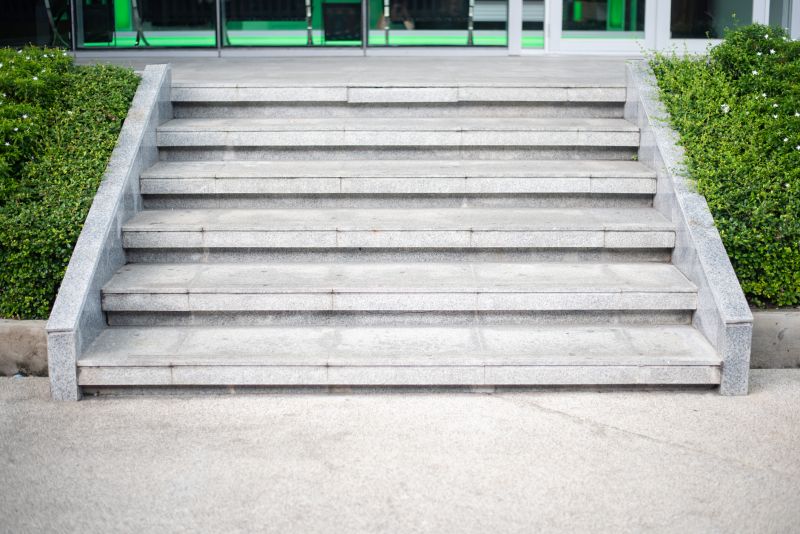
When people search for ADA considerations for commercial concrete walks and steps, they are usually looking for guidance on making outdoor pathways accessible and compliant with the Americans with Disabilities Act (ADA). This often relates to projects involving the installation or renovation of sidewalks, ramps, and entryways at commercial properties such as retail stores, office buildings, restaurants, or public facilities. Property owners or managers want to ensure that these walkways are safe, functional, and legally compliant for individuals with mobility challenges, including those using wheelchairs, walkers, or other mobility aids. Understanding ADA requirements helps prevent accessibility issues that could lead to legal complications or limit customer access.
These considerations are closely connected to problems like uneven surfaces, steep inclines, or steps that create barriers for people with disabilities. When planning concrete walks and steps, property owners often need to think about proper slope ratios, tactile warnings, and the placement of handrails or curb ramps. Many projects also involve designing accessible routes that seamlessly connect parking areas, building entrances, and outdoor amenities. Local contractors who specialize in ADA-compliant concrete work can help ensure that these elements are correctly integrated, avoiding costly modifications later and providing a safer environment for all visitors.
The types of properties that typically come up in discussions about ADA considerations for commercial concrete walks and steps include retail centers, office complexes, healthcare facilities, government buildings, and hospitality venues. These properties often have high foot traffic and are subject to ADA regulations to accommodate diverse visitors. In addition, multi-unit residential buildings or community centers may also require accessible outdoor pathways. For property owners, understanding the specific ADA guidelines relevant to their property helps inform planning and design choices, ensuring that the concrete walks and steps meet legal standards while maintaining durability and functionality.
Local service providers who handle ADA concrete walks and steps installation play a vital role in translating these considerations into practical solutions. They can assess existing pathways, identify potential barriers, and recommend appropriate modifications or new installations that adhere to ADA standards. Whether it's adding accessible ramps, smoothing out uneven surfaces, or installing tactile indicators, these pros bring the expertise needed to create compliant, safe, and welcoming outdoor spaces. Connecting with experienced local contractors ensures that property owners can address ADA requirements effectively, making their commercial outdoor areas accessible and compliant with ease.
Accessible Parking Lot Design - local contractors who specialize in accessible parking layouts can ensure proper placement and clear pathways that meet ADA requirements for commercial properties.
Commercial Ramp Installation - experts in installing ramps for storefronts and public buildings apply similar planning and construction skills to ADA-compliant concrete walks and steps.
Outdoor Public Space Renovations - service providers working on parks and plazas often handle concrete work that requires ADA considerations for safe and accessible pathways.
Sidewalk Repair and Replacement - local pros experienced in sidewalk projects can incorporate ADA guidelines into repairs, ensuring smooth, accessible surfaces.
Building Entrance Modifications - contractors who modify entrances for accessibility often work with concrete steps and walkways to improve compliance with ADA standards.
Landscape and Hardscape Design - professionals designing accessible outdoor environments use similar planning and concrete skills to create ADA-compliant walkways and steps.

When comparing service providers for ADA considerations for commercial concrete walks and steps, it is important to evaluate their experience with similar projects. Contractors who have previously handled ADA-compliant installations understand the specific requirements for accessible design, such as proper slope, tactile warnings, and smooth, slip-resistant surfaces. This familiarity can help ensure that the work meets accessibility standards and functions effectively for all users. Requesting details about past projects can provide insight into their level of expertise and whether they have successfully managed projects with similar scope and complexity.
Clear written expectations are essential when choosing a local contractor for ADA concrete walks and steps. A reputable service provider should be able to outline the specific steps involved, materials used, and compliance considerations in a detailed proposal or scope of work. This transparency helps prevent misunderstandings and ensures that both parties are aligned on project goals. Additionally, understanding the contractor’s approach to ADA requirements can clarify how they plan to address aspects like proper slope, handrail installation, and tactile indicators, all of which are crucial for accessibility.
Reputable references and good communication are key indicators of a reliable contractor. Speaking with previous clients can reveal how well a contractor adheres to project timelines, manages challenges, and maintains open lines of communication throughout the process. It’s important to work with service providers who are responsive and willing to answer questions about their experience with ADA considerations for concrete walks and steps. This level of professionalism and clarity can contribute significantly to a smooth project experience and a final result that meets accessibility needs effectively.
Property owners often search for ADA considerations for commercial concrete walks and steps when they are planning practical projects around their homes and businesses. Local pros provide ADA Concrete Walks and Steps Installation services for everyday jobs and straightforward project options.
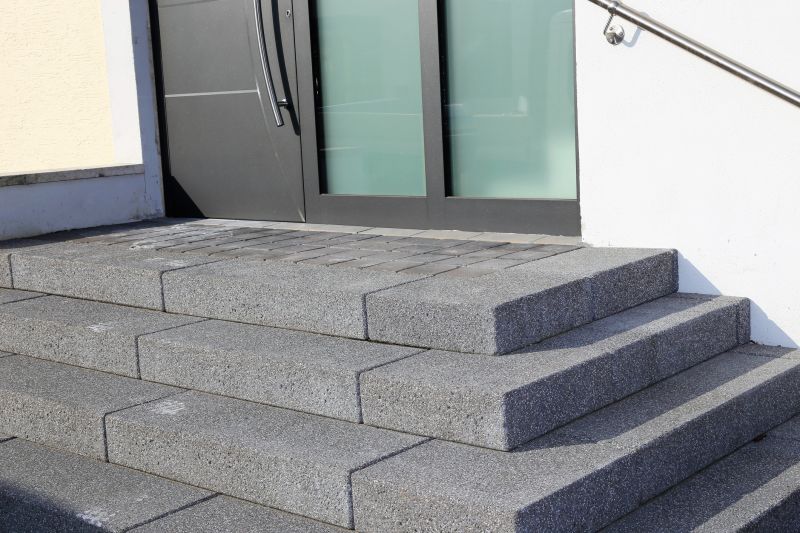

ADA considerations for commercial concrete walks and steps are an important aspect for property owners who want to ensure accessibility and compliance. When planning or upgrading outdoor walkways and entry steps, it’s common for property owners to look into how these features can accommodate individuals with mobility challenges. Local contractors experienced in ADA-compliant installations can help evaluate existing conditions and recommend practical solutions, such as installing ramps, ensuring proper slope, and adding tactile indicators, to create safe and accessible pathways for everyone.
Many property owners seek out ADA concrete walks and steps installation services to meet legal requirements and improve overall accessibility. Whether for a new development or an existing property, choosing the right local service providers can make a difference in creating smooth, level surfaces and properly designed steps that adhere to ADA standards. These professionals can assist in designing and installing features that help all visitors navigate the property comfortably, making accessibility a seamless part of the outdoor environment.
What are ADA considerations for commercial concrete walks and steps? ADA considerations for commercial concrete walks and steps include ensuring proper slope, width, and tactile features to accommodate individuals with disabilities, making pathways accessible and safe for all users.
How do local contractors ensure ADA compliance when installing concrete steps? Local contractors follow ADA guidelines by designing steps with appropriate riser heights, non-slip surfaces, and accessible handrails to promote safety and accessibility for everyone.
Can ADA requirements be incorporated into existing concrete walkways and steps? Yes, experienced service providers can modify existing concrete walkways and steps by adding ramps, handrails, or tactile indicators to meet ADA standards and improve accessibility.
What features are important for ADA-compliant concrete walks and steps? Key features include adequate width, gentle slopes, tactile warning surfaces, and accessible handrails to ensure compliance and ease of use for individuals with disabilities.
Why should I hire local pros for ADA considerations in concrete installation? Local pros are knowledgeable about ADA guidelines and can tailor concrete walk and step installations to meet accessibility requirements effectively and efficiently.
Accessible Pathways - Incorporate gentle slopes and wide walkways to ensure smooth access for all users when planning concrete walks and steps with local contractors.
Tactile Indicators - Add textured surfaces or detectable warnings at transitions and edges to assist individuals with visual impairments during installation projects.
Proper Ramp Design - Ensure ramps meet ADA slope requirements and are integrated seamlessly with existing walkways through guidance from local pros.
Clear Signage and Markings - Include visible, easy-to-understand signs or markings on concrete steps and walks to enhance navigation and safety for everyone.
If you are thinking about ADA considerations for commercial concrete walks and steps for a property, this guide is meant to help you understand this topic, the typical project types, and how different options might fit your plans.
When you are ready, you can use the quote form on this page to share a few details about your project. From there, local pros can review the basics and follow up with options that match what you have in mind.